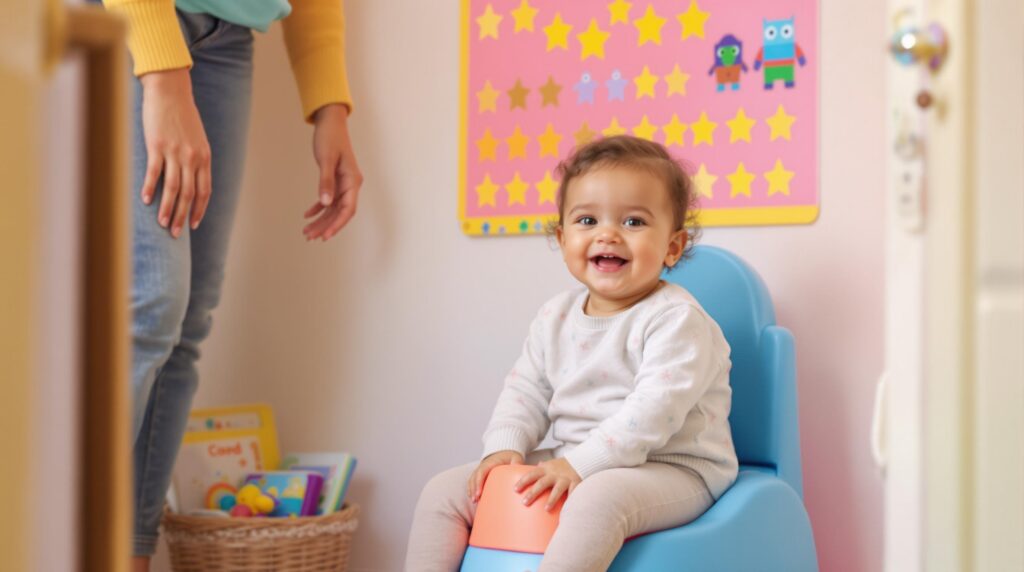
Potty training is a significant milestone in a child’s development, and as parents, we’re eager to help our little ones master this essential skill. But how can we make this process smoother and more enjoyable for both the child and the parent? The answer lies in understanding child development, creating a positive environment, and using effective rewards and incentives. Let’s dive into the best strategies for successful potty training.
Understanding Child Development for Effective Potty Training
Before we jump into rewards and incentives, it’s crucial to understand the developmental stages that influence a child’s readiness for potty training. Children typically go through two key stages during this period: the Sensorimotor stage (0-2 years) and the Preoperational stage (2-7 years).
During the Sensorimotor stage, children develop object permanence – the understanding that objects continue to exist even when they can’t be seen. This concept is important for potty training as it helps children understand that their bodily functions continue even when they’re not actively thinking about them.
The Preoperational stage brings the development of abstract thought and symbolic thinking. This is when children start engaging in pretend play, which is a good indicator of readiness for potty training. Look for signs of simple pretend play around 18 months and more complex symbolic play around 30 months.
Recognizing these developmental milestones can help you determine if your toddler is ready for potty training. It’s important to remember that every child develops at their own pace, so don’t feel pressured to start too early.
Creating a Positive Potty Training Environment
Once you’ve determined that your child is developmentally ready, the next step is to create a positive environment for potty training. This involves using positive reinforcement and avoiding negative feedback.
Positive reinforcement is a powerful tool in potty training. When your child successfully uses the potty, respond with enthusiasm and praise. This could be as simple as saying, “Great job using the potty!” or giving a high-five. The key is to make your child feel proud of their accomplishment.
It’s equally important to avoid negative feedback when accidents happen. Instead of expressing disappointment or frustration, respond calmly and reassure your child that accidents are a normal part of learning. This approach helps maintain a stress-free atmosphere and encourages your child to keep trying.
Research has shown that positive reinforcement significantly improves potty training success rates. Children who receive consistent praise and encouragement tend to master potty training more quickly and with less resistance.
Effective Reward Systems for Potty Training
While praise and encouragement are excellent motivators, tangible rewards can also be highly effective in potty training. Here are some reward systems that have proven successful:
Sticker Charts
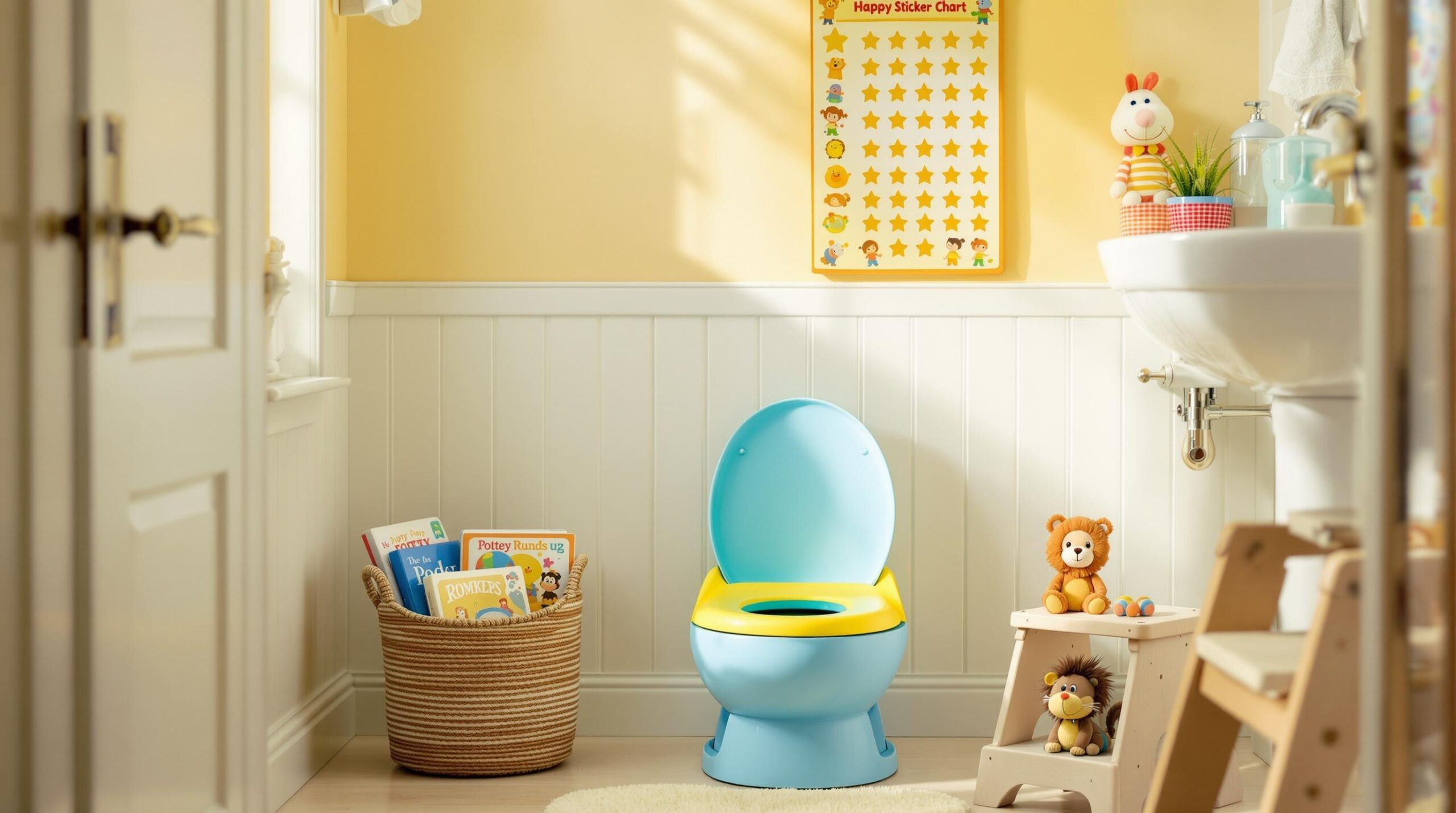
Sticker charts are a visual way to track progress and celebrate successes. Create a chart with your child and let them place a sticker on it each time they use the potty successfully. This method works well because it gives children a sense of accomplishment and allows them to see their progress over time.
Small Treats
Small, healthy treats can be powerful motivators. These could be a few favorite berries, a small piece of chocolate, or a sugar-free candy. The key is to keep the treat small and immediate, reinforcing the connection between the desired behavior and the reward.
Toy Rewards
For bigger milestones, like staying dry all day or using the potty away from home, consider offering a small toy as a reward. This could be a small figurine, a coloring book, or a special bubble solution. The anticipation of earning a desired toy can be a strong motivator for many children.
A study by the National Institute of Child Health and Human Development (NICHD) found that children who received positive reinforcement, including tangible rewards, showed faster progress in developmental milestones, including potty training.
Remember, the goal is to keep potty training fun and stress-free. Tailor your reward system to what motivates your child most, and be consistent in its application.
The Role of Parental Involvement in Potty Training
Your involvement as a parent is crucial to the success of potty training. Consistency in routine and approach is key. Establish a regular potty schedule, such as having your child sit on the potty first thing in the morning, before naps, and before bedtime. This helps create a habit and increases the chances of success.
Open communication is also vital. Talk to your child about using the potty in a positive, matter-of-fact way. Use simple, clear language to explain what you want them to do. For example, “When you feel like you need to go potty, tell Mommy or Daddy, and we’ll help you use the big toilet.”
The NICHD Study of Early Child Care and Youth Development found that higher parental involvement leads to better developmental outcomes, including successful potty training. Your active participation and support can make a significant difference in your child’s progress.
Incorporating Health and Hygiene into Potty Training
Potty training isn’t just about using the toilet; it’s also an excellent opportunity to teach important hygiene practices. Here’s how to incorporate health and hygiene lessons into your potty training routine:
Handwashing
Teaching proper handwashing techniques is crucial. Make it a fun ritual after each potty use. Sing a song while washing hands to ensure they scrub for the recommended 20 seconds. The Centers for Disease Control and Prevention (CDC) emphasizes the importance of handwashing in preventing the spread of diseases, making this a valuable lifelong habit to instill.
Proper Cleaning
Instruct your child on how to clean themselves properly after using the toilet. For girls, teach them to wipe from front to back to prevent urinary tract infections. For boys, teach them how to aim correctly and the importance of cleanliness.
By incorporating these hygiene practices into your potty training routine, you’re not only preventing potential health issues but also setting the foundation for good hygiene habits that will last a lifetime.
Creating an Accessible Potty Training Environment
Making the bathroom accessible and comfortable for your child can significantly ease the potty training process. Here are some tips to create a child-friendly bathroom environment:
Child-Sized Equipment
Use a child-sized toilet or a training seat that fits over your regular toilet. This helps your child feel more secure and in control. A sturdy step stool can also help them reach the toilet and sink independently.
Easy Navigation
Ensure your child can easily navigate the bathroom. Keep the path to the toilet clear of obstacles. Consider using nightlights to make nighttime potty trips less daunting.
Comfort Items
Make the bathroom a welcoming place by adding some comfort items. A small basket of books or a special toy can make sitting on the potty more enjoyable. Just be sure these items are used only during potty time to maintain their special status.
The U.S. Department of Health and Human Services recommends creating safe and accessible bathrooms for children to support their developing independence. By making these adjustments, you’re setting the stage for successful potty training.
Monitoring and Adjusting Potty Training Progress
As you embark on this potty training journey, it’s important to regularly monitor your child’s progress and be ready to make adjustments as needed. Here’s how to effectively track and adapt your approach:
Regular Progress Tracking
Keep a simple log of your child’s successes and accidents. This can help you identify patterns, such as times of day when your child is more likely to need the potty. Use this information to adjust your potty schedule accordingly.
Milestone Awareness
Be aware of the typical developmental milestones related to potty training. While every child is different, having a general idea of what to expect can help you gauge your child’s progress and identify any potential issues early on.
Adjusting Reward Systems
As your child progresses, you may need to adjust your reward system. What worked at the beginning of potty training might not be as effective later on. Be prepared to increase the challenge or change the rewards to keep your child motivated.
If you notice your child is struggling or losing interest, it might be time to handle potty training regression or take a break. Sometimes, a short pause can lead to renewed enthusiasm when you start again.
Remember, developmental surveillance is crucial in identifying potential issues. If you have concerns about your child’s progress, don’t hesitate to consult with your pediatrician.
Embracing the Potty Training Journey
Potty training is a significant milestone in your child’s life, and while it can be challenging, it’s also an opportunity for growth and bonding. By understanding your child’s developmental stage, creating a positive environment, using effective rewards, and staying involved, you can make this journey smoother and more enjoyable for both you and your child.
Remember, every child is unique, and what works for one might not work for another. Be patient, stay positive, and don’t be afraid to adjust your approach if needed. With consistency, love, and the right strategies, your child will master this important skill in their own time.
Celebrate each success, no matter how small, and remember that accidents are just part of the learning process. Before you know it, diapers will be a thing of the past, and you’ll have a proud, potty-trained little one!
Sources:
Medical News Today: Piaget’s stages of development
PMC: Evidence-based milestone ages as a framework for developmental surveillance
NICHD: The NICHD Study of Early Child Care and Youth Development
CDC: Handwashing
HHS: Child Development